- Car Recovery Service Al Ain is Aavailable 24/7 for all your Roadside Assistance Needs.
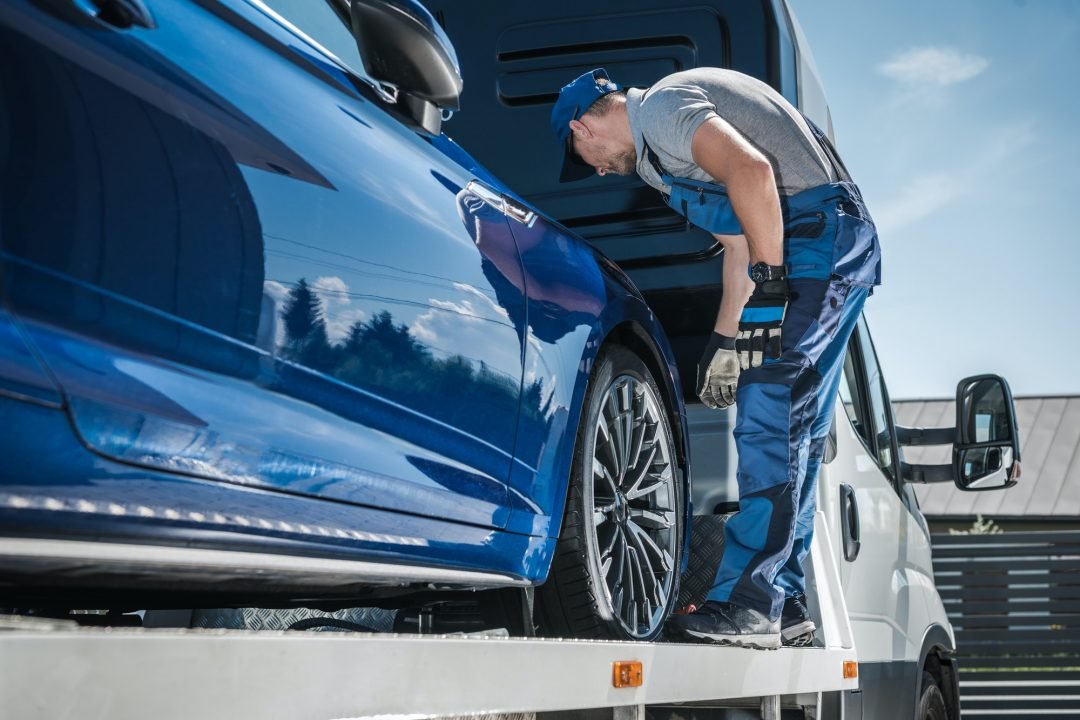
Need car recovery in Al Reem Island? If your vehicle is stranded near a tower driveway, podium car park or street-level pickup point, share the vehicle’s exact pin and the tower name, entrance and parking level so we can assess access and give you an estimated arrival time.
Getting recovery help at Al Reem Island starts with a call or WhatsApp message. Share your location, and our recovery team will arrange the right assistance for your vehicle.
Tell us what happened and what type of vehicle needs assistance.
Send your exact location pin and tell us whether you’re on a public road, a private entrance or inside a car park.
We arrange the suitable recovery vehicle based on your situation.
Your vehicle is carefully recovered and transported to your requested destination.
If your car stops near Al Reem Island in Abu Dhabi, call 050 241 2825 or send a WhatsApp message with the vehicle’s location. Tell us whether you are on a public road, a private entrance or inside a car park. We can then assess access for car recovery and give you an estimate based on the pickup point.

If you are dealing with a vehicle stopped in a parking area shared by several towers, the first thing we need is your vehicle’s exact position. A pin beside the car gives the operator a starting point. Include the tower name, entrance and parking level if there are several ways to reach it. Tell us whether the car can roll and whether the operator can reach it directly from the road.
If you can safely take a photo, show the whole car and the space around it. Include any parked vehicles, sharp corners or other obstructions that affect the approach. Mention how the vehicle stopped, whether it has moved since then and whether the person expecting the operator is still beside it. A clear photo and short description give us more to work with than an address alone.
If the car is at a tower driveway, podium car park or street-level pickup point, describe the entrance and any limits on when a recovery vehicle can enter. Large vehicles need room to turn and work. Mention any temporary obstruction or restricted access at the start of the call so we can assess the actual route to your car.

For car recovery in Al Reem Island, the last part of the route matters as much as the street address. Send the ramp or building entrance that reaches the right level as a separate pin if it helps explain the approach. A route that leads to the front door may be different from the route that leads to the car. Let us know which entrance you used and where the vehicle stopped in relation to it.
Describe what sits between that entrance and the vehicle. Note a narrow corner, a steep ramp, bollards or a gate that needs to be opened. If there is limited room beside the car, show the surrounding area in a photo when you can take one safely. If a member of your group is waiting at the entrance, label that person’s location separately.
Tell the operator whether the vehicle is still in the same position as when you first called. If it moved or you sent the wrong entrance, share the corrected pickup point before arrangements are confirmed. We use those details to assess access and discuss where the car can be brought once it is recovered.

A car stuck in a parking area can be difficult to reach even when the map pin is accurate. Tell us whether the vehicle is on a ramp, on a parking level or at a tower driveway, podium car park or street-level pickup point. Include the make and model and explain whether the wheels can roll. If the operator needs to enter from a particular side, share the tower name, entrance and parking level.
If a ramp, height limit or tight bend affects access, let us know before the vehicle is dispatched. If the property has several entrances, check which one a recovery vehicle can use. A photo showing the vehicle in relation to the nearest entrance can help the operator understand the available room. If the car is on another level, give the level as well as the entrance.
Give us the colour of the car and tell us who will meet the operator. In shared parking, a row or bay number helps distinguish the car from others nearby. Confirm who has the keys. If you are arranging recovery for another driver, check what they have already sent so we are working from one set of directions.

A pin for Al Reem Island tells us the general area. A pin dropped where your vehicle actually stopped gives us a pickup point. If the two are different, send the pickup point first. If a passenger is the one messaging, check that they are sending the vehicle’s position. When someone from your group drives back to a junction to meet us, label their location separately so we know which pin marks the car.
Think through the last part of the drive while it is fresh in your mind. Where did you leave the access road? Was there a fork, a gate or a well-used track? Did the surface change from firm ground to an awkward or restricted position? A brief message such as “We turned off at the junction and took the right fork. The car is just beyond the bend” can give context that a map marker alone leaves out. If you can identify the turnoff on the map, send it as a second pin and say it is the entrance.
It helps to put the important details in one message for the recovery team. Include a callback number, the vehicle make and model, the position of the car and a short description of the problem. If you have already moved away from the car, tell us who has the keys and how the operator can find the vehicle when they arrive.
When you call from a tower driveway, podium car park or street-level pickup point, describe where the operator can stop while checking the car. If the vehicle is parked beside a busy entrance, mention whether there is a quieter approach from the next street. In Al Reem Island, an address may point to a main entrance even when the car is on another side of the property. Include the tower name, entrance and parking level and say which side the operator should approach from. If access changes while you wait, share an updated pin or ask the person beside the car to explain the change. That helps the operator reach the right spot without circling the property.

At the end of a night at Al Reem Island, the people in your group may be standing in different places or preparing to leave in separate vehicles. Pick one person to speak to the recovery team so that we have a consistent pickup pin, phone number and description of what happened. If there are two cars with problems, give each vehicle its own description and say which one needs help first.
It can be hard to describe a access road in the dark. The direction you arrived from, the last junction you remember and the distance from a access road are more useful than the colour of a sign you can barely make out. An earlier photo of the entrance or approach can help if you already have one. Tell us if you are calling from a different position than the vehicle or if someone else will meet the operator.
You can call or send a WhatsApp message around the clock. When you reach us, mention the time and the terrain, and ask for an estimate based on the location you have sent. If your phone is low on charge or calls keep dropping, give us another number from your group when you first make contact. That gives the recovery team a way to reach you if they need more detail about the approach or the handover.

A recovery quote starts with the pickup point and the condition of the vehicle. Collecting a car on an accessible road is different from collecting it behind a gate, on a parking level or in a lane where there is little room to turn. Share the exact position and explain whether the vehicle can roll. A photo showing the available space can help the operator assess access.
Tell us where you want the recovery to finish if you have a place in mind. It could be the access road that your group used on the way in or another accessible stretch of ground. If you do not know which nearby point is suitable, explain how you arrived and ask the team to discuss the options. If anyone moved the vehicle after you sent the first pin, send the updated pin before arrangements are confirmed.
Ask what the quote covers and which details it depends on. If the operator may need to see the ground before confirming the approach, ask how they will communicate any change. Give the person paying for the recovery the same information you send the team, including the exact pickup spot and what was agreed. That saves confusion if you are arranging the job on someone else’s behalf.
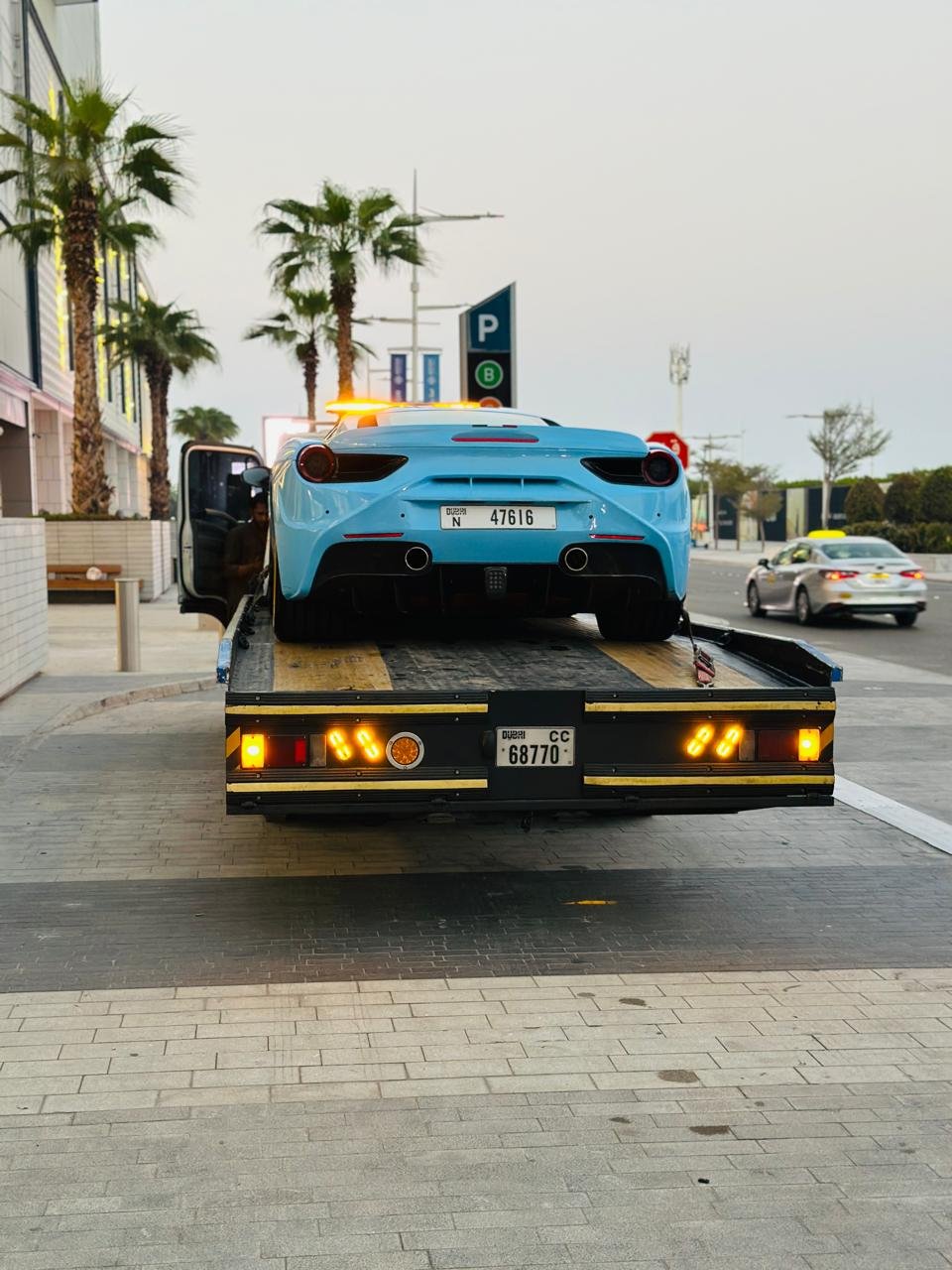
Start with the vehicle’s location and a short description of how it ended up there. For example, say whether it lost traction at the edge of the track or stopped in a patch of an awkward or restricted position farther from the road. The operator can then ask about the ground, the angle of the vehicle and the distance from the nearest firm surface. If there is an obvious obstacle on the approach, mention it before the team sets out.
Once the pickup details are clear, we can discuss the approach and where the vehicle should be recovered to. If someone is waiting at the entrance to guide the operator, provide that person’s number and a separate pin for the meeting point. The person at the car should be reachable as well. Keep the keys with the person handling the recovery and let the operator know if the driver is elsewhere.
If the approach looks different when the operator arrives, they may need to reassess the job before starting. They can explain what they can see and where there is enough room to work. Once the recovery is complete, confirm where the vehicle has been brought and let anyone from your group who is waiting elsewhere know where to meet you. If you booked on behalf of another driver, confirm who is with the car at the end of the job.

Save the destination on your phone and keep a record of the route you take from the access road. A screenshot can be useful if the map is slow to load while you are out. If you are travelling in more than one car, agree where you will meet and which route you intend to follow when you leave. Save the car recovery number before the trip so that you can find it if you need to call from the track.
Make sure someone in your group can identify the turnoff you used. A name or a landmark can work, but a pin for the entrance is more precise when several tracks branch off the same road. If the group splits up, keep track of who is with each vehicle. When someone calls for help on behalf of another driver, knowing who is standing by the car makes it easier for the recovery operator to coordinate the approach.
If a car becomes stuck, the first message can be short. Include your exact location, the vehicle make and model, and a sentence about where the wheels are sitting. A photo of the ground is useful when you can take it safely. If the pin is for your group’s meeting point, label it separately and send the stranded car’s location as the pickup pin.
Yes. Tell us you are near Al Reem Island in Abu Dhabi and describe where you last turned off the road. A pin from your current location is more precise. If someone in your group has a map open, ask them to send the position of the car and identify the nearest access track.
Send the vehicle pin and a description of the ground between the track and the car. Mention any steep or narrow section and how the vehicle is sitting. The operator can use those details to assess access before arranging the recovery.
Describe what you can see from where you are. If you can safely take a wide photo that shows the car, its wheels and the surrounding space, send it with your location. The operator can ask about anything else needed to assess the recovery.
Yes. Make it clear whose phone sent the pin and whether that person is at the vehicle. Give us a number for someone who can meet the recovery operator and identify the car. If the driver and the person booking are different, share both names so the handover is straightforward.
Ask for an estimate once you send your pickup pin and describe the approach. The route, terrain and type of vehicle needed for the job affect timing. If the pin points to the main pickup area and the car is elsewhere, send the car’s location before relying on the estimate.
If you are calling from another location, tell us where the car is and who will meet the operator. Share the vehicle pin separately from your own location. Give us the contact number for the person with the keys so the operator knows who can identify the car and confirm the handover.