- Car Recovery Service Al Ain is Aavailable 24/7 for all your Roadside Assistance Needs.
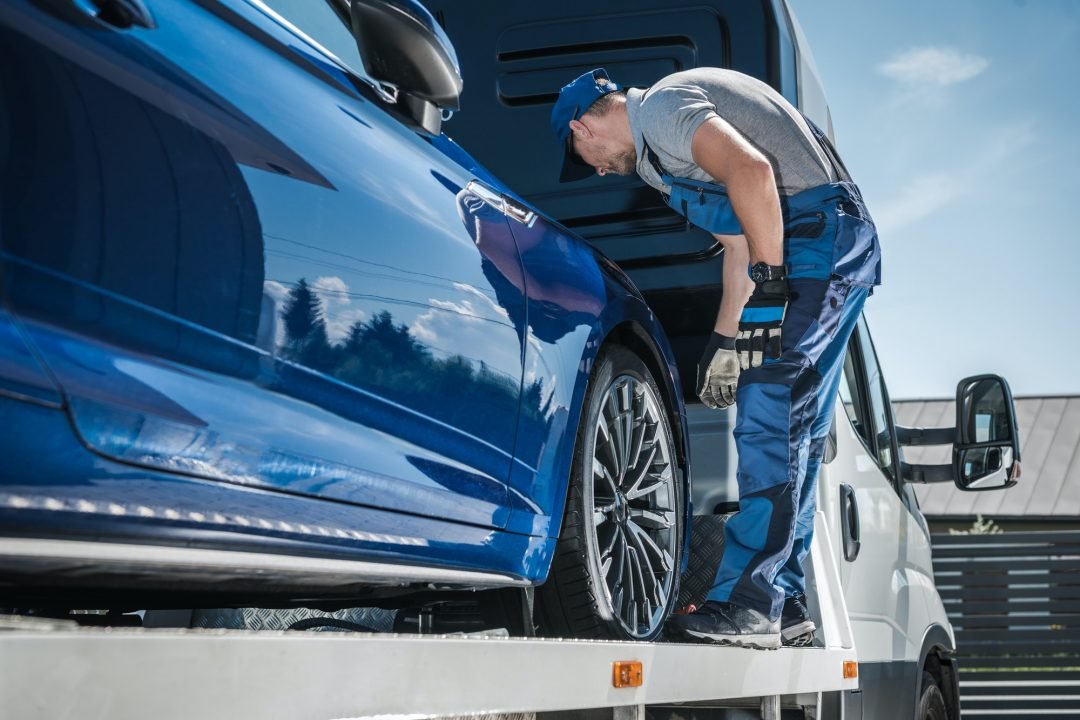
Car stuck in sand near Al Khatim Desert? Call for car recovery or a desert pullout. Share the vehicle’s location pin and describe the ground around it so we can assess access and give you an estimated arrival time.
Getting recovery help at Al Khatim Desert starts with a call or WhatsApp message. Share your location, and our recovery team will arrange the right assistance for your vehicle.
Tell us what happened and what type of vehicle needs assistance.
Send your exact location pin and tell us whether you’re on a paved road, a desert track or in soft sand.
We arrange the suitable recovery vehicle based on your situation.
Your vehicle is carefully recovered and transported to your requested destination.
If your car stops near Al Khatim Desert in Abu Dhabi, call 050 241 2825 or send a WhatsApp message with the vehicle’s location. Tell us whether you are on a paved road, a desert track or in soft sand. We can then assess access for car recovery and give you an estimate based on the pickup point.

A vehicle can feel steady on the approach and lose traction within a few metres of leaving a firm track. By the time the driver calls, the useful question is often where the car stopped and how it is sitting. A car with one wheel buried beside a level track is a different job from an SUV resting on its underside in a low patch. Tell us what you can see, even if you do not know what caused it.
When you contact us about a sand pullout, send a pin for the car itself. If you can safely take a photo, a wide view showing the vehicle, the nearest track and the ground around the wheels is more helpful than a close-up of the tyre alone. Add whether any wheels are buried and whether the underside of the car is resting on the sand. If you tried to move before calling, say which direction the car was facing and whether it moved at all.
Some recovery vehicles need firm ground and enough space to approach or turn. Our team uses the details you send to assess access before setting out. If there is a gate, a narrow track or a steep dip between the paved road and your position, mention it during the first call. Knowing that in advance helps us plan around the actual route to your vehicle.

A vehicle stranded off the main road can be hard to spot even when the map looks straightforward. Two tracks can run alongside each other and lead to different parts of the sand. Send the vehicle’s exact pin, then describe the route from the last place you can identify with confidence. If you approached with a group, ask the lead driver which turn you took. They may remember a fork or landmark the rest of the group passed without noticing.
The recovery team also needs to know what sits between the track and the vehicle. A short stretch of flat ground is different from an approach with a sharp bend, a steep drop or a narrow passage between dunes. Give whatever details you can see from your position. If you can safely share a wide photo, include the approach and surrounding ground. If the car sits lower than the track or is partly hidden from it, explain where it is in relation to the nearest bend or rise.
When you request a desert pullout, tell us whether the vehicle is still where it first lost traction. If it shifted or settled deeper, describe where it is now. The important part is the current position. We use these details to discuss where the recovery vehicle can approach and where the recovered car can be brought back onto firmer ground.

When you call for a sand pullout, a plain description of the car is enough to get started. Tell us which wheels are sunk, whether the underside is touching the sand and how the car is facing in relation to the track. If the front is pointing downhill while the nearest firm track is behind you, that is worth mentioning. Include the make and model so we can consider the vehicle size alongside the condition of the sand.
Describe the ground between the car and the nearest track. You might see firm ruts where other cars have passed or loose sand covering what looked like a clear route on the way in. If the vehicle is close to the road but separated from it by a ditch or a bank, say so. The distance on the map is only one part of the approach. A photo taken from a safe position that shows the whole area can answer questions a close-up cannot.
If there are several cars parked nearby, give us the colour of your vehicle and a detail that distinguishes it. Tell us who will meet the operator and confirm who has the keys. If you are messaging for another driver, check what they have already shared so the recovery team receives one clear set of directions.

A pin for Al Khatim Desert tells us the general area. A pin dropped where your vehicle actually stopped gives us a pickup point. If the two are different, send the pickup point first. If a passenger is the one messaging, check that they are sending the vehicle’s position. When someone from your group drives back to a junction to meet us, label their location separately so we know which pin marks the car.
Think through the last part of the drive while it is fresh in your mind. Where did you leave the paved road? Was there a fork, a gate or a well-used track? Did the surface change from firm ground to loose sand? A brief message such as “We turned off at the junction and took the right fork. The car is just beyond the bend” can give context that a map marker alone leaves out. If you can identify the turnoff on the map, send it as a second pin and say it is the entrance.
It helps to put the important details in one message for the recovery team. Include a callback number, the vehicle make and model, the position of the car and a short description of the problem. If you have already moved away from the car, tell us who has the keys and how the operator can find the vehicle when they arrive.

At the end of a night at Al Khatim Desert, the people in your group may be standing in different places or preparing to leave in separate vehicles. Pick one person to speak to the recovery team so that we have a consistent pickup pin, phone number and description of what happened. If there are two cars with problems, give each vehicle its own description and say which one needs help first.
It can be hard to describe a desert track in the dark. The direction you arrived from, the last junction you remember and the distance from a firm track are more useful than the colour of a sign you can barely make out. An earlier photo of the entrance or approach can help if you already have one. Tell us if you are calling from a different position than the vehicle or if someone else will meet the operator.
You can call or send a WhatsApp message around the clock. When you reach us, mention the time and the terrain, and ask for an estimate based on the location you have sent. If your phone is low on charge or calls keep dropping, give us another number from your group when you first make contact. That gives the recovery team a way to reach you if they need more detail about the approach or the handover.

A recovery quote starts with the pickup point and the condition of the vehicle. A car with a wheel in loose sand next to the main track presents a different job from a vehicle sitting deep in a patch that is difficult to approach. Distance matters, and so do the surface, the available room around the vehicle and the condition of the ground on the way in. A location pin and one wide photo are a good starting point when you call.
Tell us where you want the pullout to finish if you have a place in mind. It could be the firm track that your group used on the way in or another accessible stretch of ground. If you do not know which nearby point is suitable, explain how you arrived and ask the team to discuss the options. If anyone moved the vehicle after you sent the first pin, send the updated pin before arrangements are confirmed.
Ask what the quote covers and which details it depends on. If the operator may need to see the ground before confirming the approach, ask how they will communicate any change. Give the person paying for the recovery the same information you send the team, including the exact pickup spot and what was agreed. That saves confusion if you are arranging the job on someone else’s behalf.
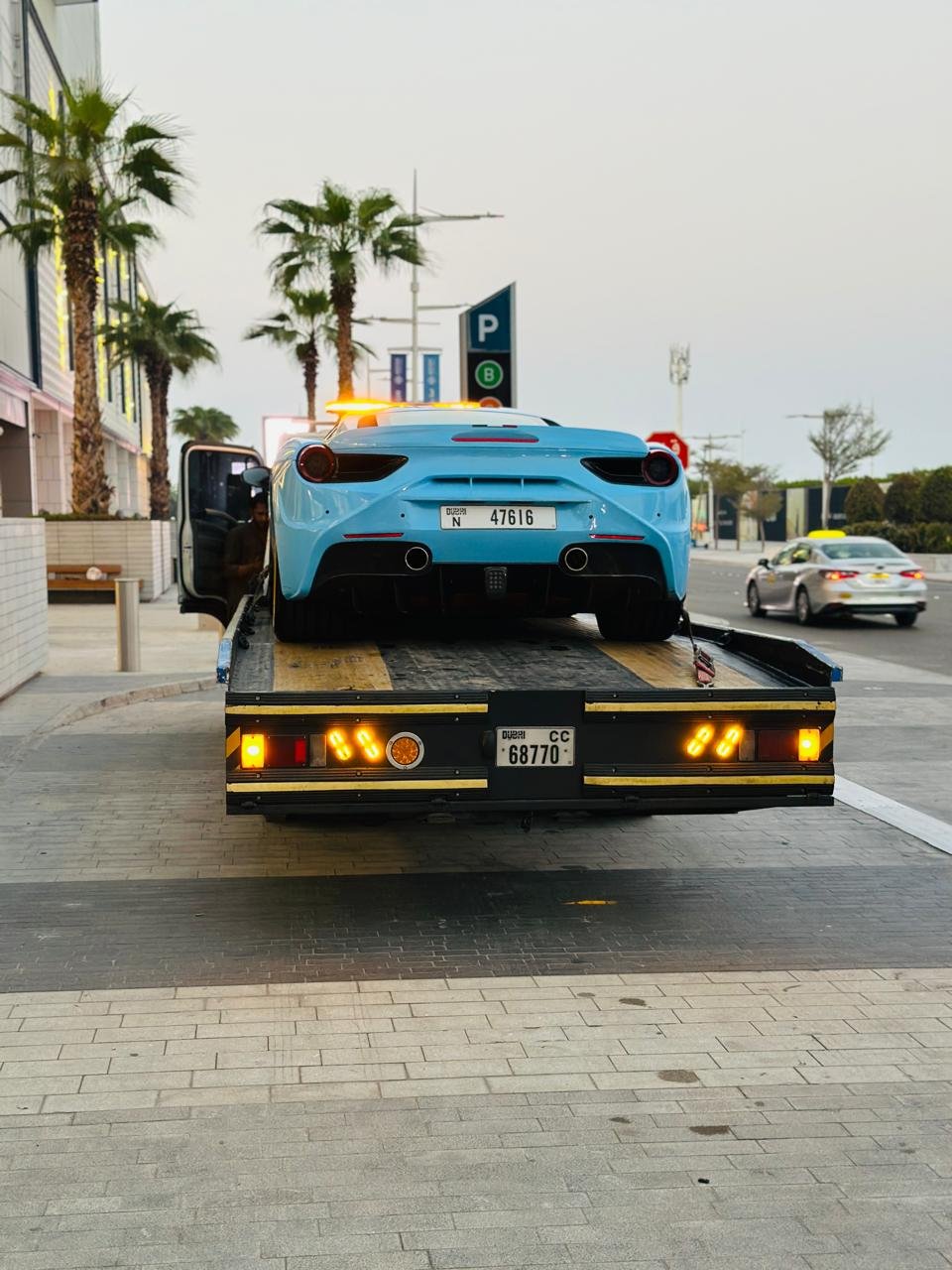
Start with the vehicle’s location and a short description of how it ended up there. For example, say whether it lost traction at the edge of the track or stopped in a patch of soft sand farther from the road. The operator can then ask about the ground, the angle of the vehicle and the distance from the nearest firm surface. If there is an obvious obstacle on the approach, mention it before the team sets out.
Once the pickup details are clear, we can discuss the approach and where the vehicle should be recovered to. If someone is waiting at the entrance to guide the operator, provide that person’s number and a separate pin for the meeting point. The person at the car should be reachable as well. Keep the keys with the person handling the recovery and let the operator know if the driver is elsewhere.
If the approach looks different when the operator arrives, they may need to reassess the job before starting. They can explain what they can see and where there is enough room to work. Once the pullout is complete, confirm where the vehicle has been brought and let anyone from your group who is waiting elsewhere know where to meet you. If you booked on behalf of another driver, confirm who is with the car at the end of the job.

Save the destination on your phone and keep a record of the route you take from the paved road. A screenshot can be useful if the map is slow to load while you are out. If you are travelling in more than one car, agree where you will meet and which route you intend to follow when you leave. Save the car recovery number before the trip so that you can find it if you need to call from the track.
Make sure someone in your group can identify the turnoff you used. A name or a landmark can work, but a pin for the entrance is more precise when several tracks branch off the same road. If the group splits up, keep track of who is with each vehicle. When someone calls for help on behalf of another driver, knowing who is standing by the car makes it easier for the recovery operator to coordinate the approach.
If a car becomes stuck, the first message can be short. Include your exact location, the vehicle make and model, and a sentence about where the wheels are sitting. A photo of the ground is useful when you can take it safely. If the pin is for your group’s meeting point, label it separately and send the stranded car’s location as the pickup pin.
Yes. Tell us you are near Al Khatim Desert in Abu Dhabi and describe where you last turned off the road. A pin from your current location is more precise. If someone in your group has a map open, ask them to send the position of the car and identify the nearest access track.
Send the vehicle pin and a description of the ground between the track and the car. Mention any steep or narrow section and how the vehicle is sitting. The operator can use those details to assess access before arranging the pullout.
Describe what you can see from where you are. If you can safely take a wide photo that shows the car, its wheels and the surrounding sand, send it with your location. The operator can ask about anything else needed to assess the recovery.
Yes. Make it clear whose phone sent the pin and whether that person is at the vehicle. Give us a number for someone who can meet the recovery operator and identify the car. If the driver and the person booking are different, share both names so the handover is straightforward.
Ask for an estimate once you send your pickup pin and describe the approach. The route, terrain and type of vehicle needed for the job affect timing. If the pin points to the main stargazing area and the car is elsewhere, send the car’s location before relying on the estimate.
If you are calling from another location, tell us where the car is and who will meet the operator. Share the vehicle pin separately from your own location. Give us the contact number for the person with the keys so the operator knows who can identify the car and confirm the handover.